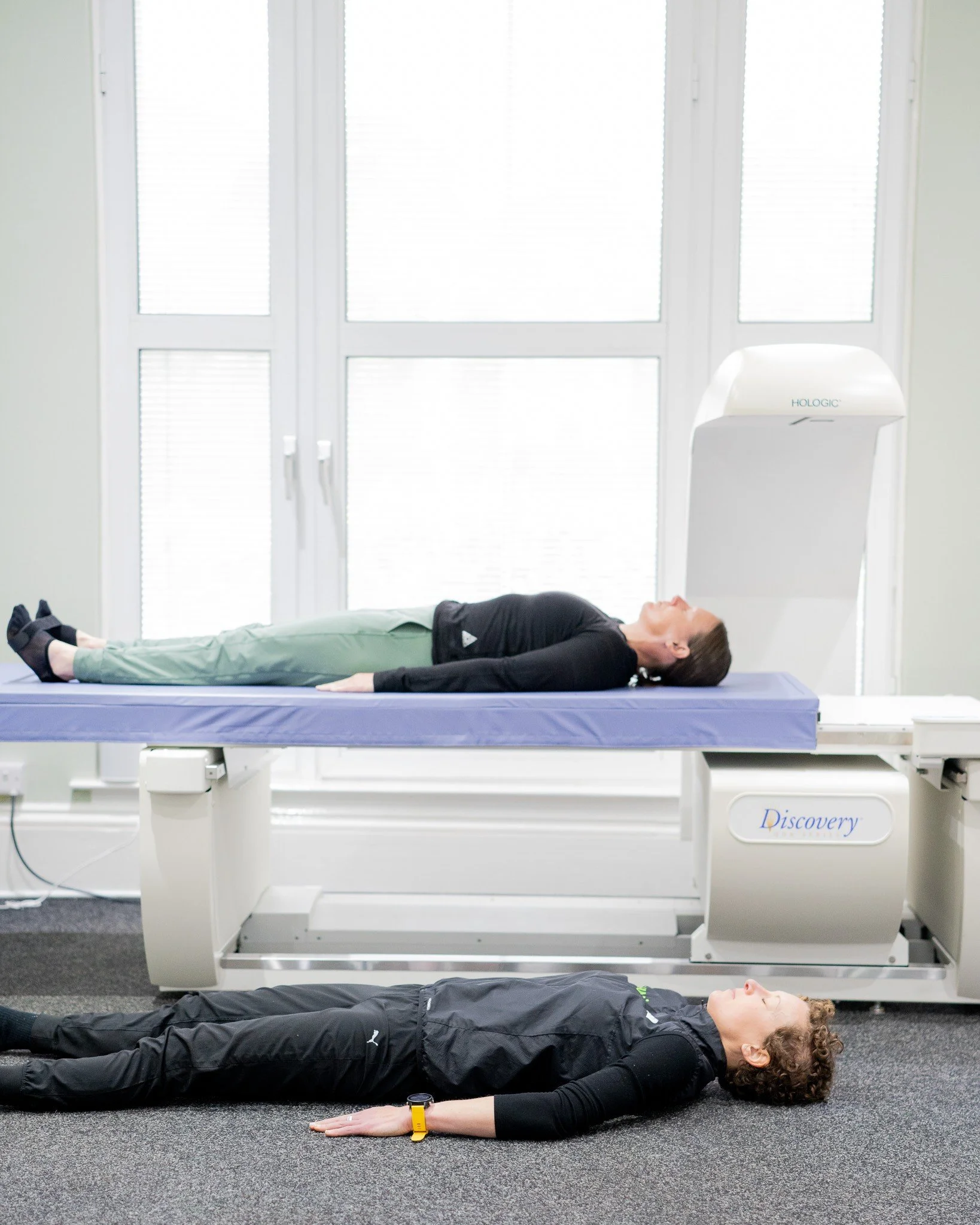

Use your NuMi data to make a plan »
What you might need to know?
-
What’s actually achievable in 12 weeks, with approximately 3 strength training sessions consistently & effectively carried out each week?
🟢 Beginner (new to structured training)
~0.75-1 kg per month
→ 2-3 kg in 3 months
You’ll benefit from “new stimulus” adaptation, this is the fastest phase of growth.
🟡 Intermediate (training consistently for ~1-2 years)
~0.3-0.6 kg per month
→ 1-2 kg in 3 months
Progress slows because your body is already adapted.
🔴 Advanced (well-trained)
~0.1-0.3 kg per month
→ ~0.5-1 kg in 3 months
At this stage, gains are incremental and require high precision.
Ensure to undertake:
Enough frequency of sessions for growth if sessions are high quality
Sessions such as:
full body or upper/lower split
progressive overload is tracked
Protein at ~2 g/kg lean mass consumed per day
Beware - what actually limits your result (most people miss this)
Even with perfect protein + training, growth can be capped by:
1. Calorie intake
You need a small surplus (~200-400 kcal/day)
Without it → muscle gain can be limited
2. Progressive overload
Are loads/reps increasing weekly?
If not → stimulus may not be sufficient
3. Training quality
Sets taken close to failure (0-3 reps in reserve)
Enough volume (~10-20 sets per muscle/week)
4. Recovery is important
Quality sleep (7-9 hrs) is non-negotiable
Rest days to allow muscle adaptions
-
Step 1: What is your lifestyle/activity level?
Usually the more you train/move the more you need.
Desk job, minimal movement, <5k steps/day ~30-40% of total calories from carbs
Some walking, exercise 1–3x/week, 6–10k steps ~40–50% carbs
High activity job, exercise most days, 15k steps ~50–60% carbs (or higher)
Step 2: Consider - what are your goals?
Same person, different goal → different carb needs:
Fat loss - Slightly lower carbs (30–45%). Prioritise protein + fibre to stay full.
Maintenance / general health. Stay in the balanced range (40–50%)
Performance / muscle gain. Higher carbs (45–60%+). In order to fuel training + replenish glycogen
Step 3: Consider your individual response
Some people simply tolerate carbs differently.
Adjust based on:
Energy levels
Hunger/cravings
Blood sugar control (pre-diabetes)
Digestive comfort